A problem was detected in the following Form. Submitting it could result in errors. Please contact the site administrator.
The Waterfalls of Whistler: Where the Mountains Come Alive
As winter loosens its grip and snowmelt begins its long journey downhill, Whistler transforms. High above the valley, water gathers momentum, carving its way through rock and forest before spilling dramatically into rivers and lakes below. The waterfalls of Whistler are more than scenic stops, they are living reminders of the forces that shaped this landscape and continue to define it.
Some waterfalls thunder with raw power, others feel quiet and contemplative, hidden just beyond the trail. Many are easy to access, making them perfect additions to a day of exploring, while others reward those willing to wander a little farther. Each has its own story to tell.
Here are four of Whistler’s most memorable waterfalls and why they deserve a place on your itinerary.
Brandywine Falls
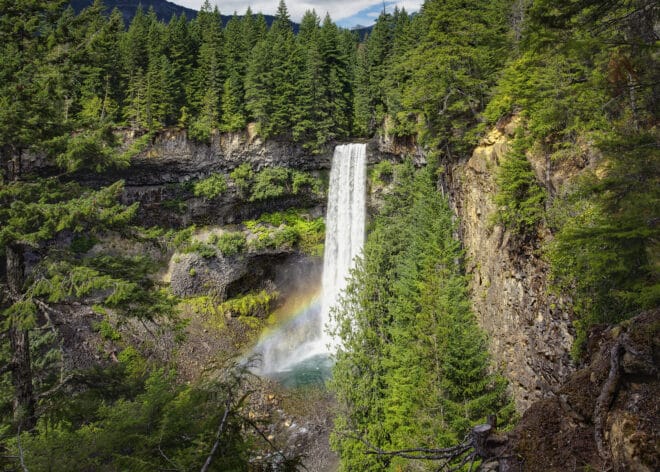
Just south of Whistler along the Sea to Sky Highway, Brandywine Falls is one of the most striking and accessible waterfalls in the region. After a short walk from the parking area, the forest opens to reveal water plunging roughly 70 metres into a deep canyon below.
The power of the falls is impressive year-round, but spring and early summer bring especially dramatic flow as snowmelt feeds the river. Beyond its beauty, Brandywine Falls also carries local legend. According to historical accounts, the name comes from a wager between two railway workers who bet a bottle of brandy on the height of the falls. The winner took the prize, and the name stuck.
Viewing platforms offer different perspectives, making this an easy and rewarding stop whether you are passing through or spending the day nearby.
Rainbow Falls
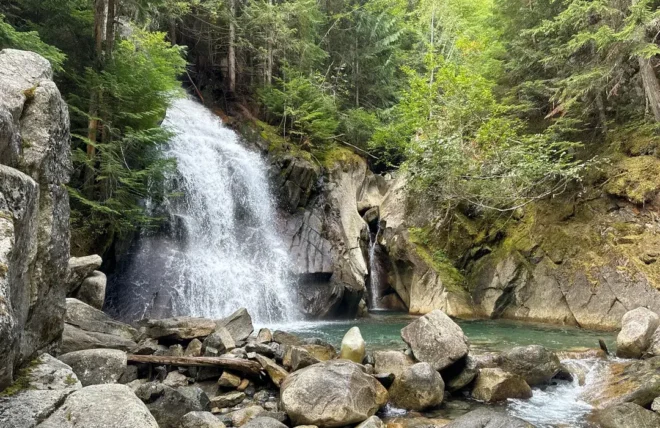
Tucked above Alta Lake, Rainbow Falls is deeply connected to Whistler’s early history. The water originates from Rainbow Lake, which still serves as Whistler’s municipal water source today.
This waterfall sits along one of the oldest hiking routes in the area, a trail that existed long before Whistler became a resort town. The walk to the falls feels peaceful and grounded, with forest views and gentle elevation that make it approachable for most hikers.
Rainbow Falls does not overwhelm with size, but its setting and sense of history give it a quiet magic, especially on warm days when sunlight catches the mist.
Nairn Falls
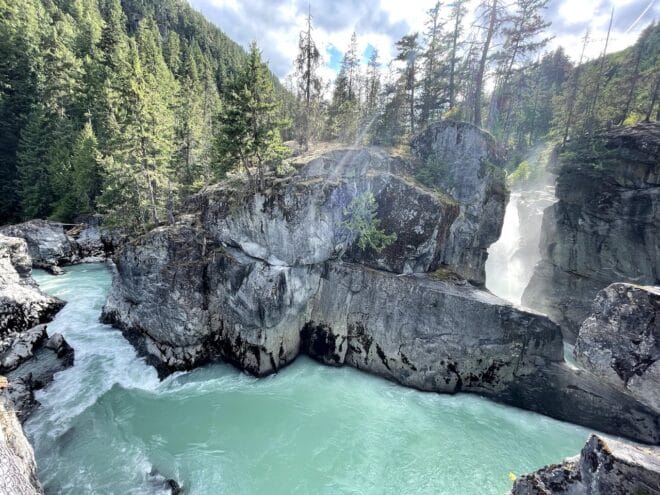
North of Whistler near Pemberton, Nairn Falls is a powerful reminder of geological time. Located within Nairn Falls Provincial Park, this waterfall roars through a narrow rock corridor, creating a dramatic and almost chaotic scene.
The short hike to the viewing area makes it easy to reach, but the sight itself feels wild and untamed. The jagged rock formations were created more than 150 million years ago as tectonic forces pushed the Earth’s crust upward. Over time, glacial water carved the channels that now funnel the river through the falls.
The sound alone is unforgettable, and spring runoff makes this one of the most intense waterfall experiences in the Sea to Sky corridor.
Alexander Falls
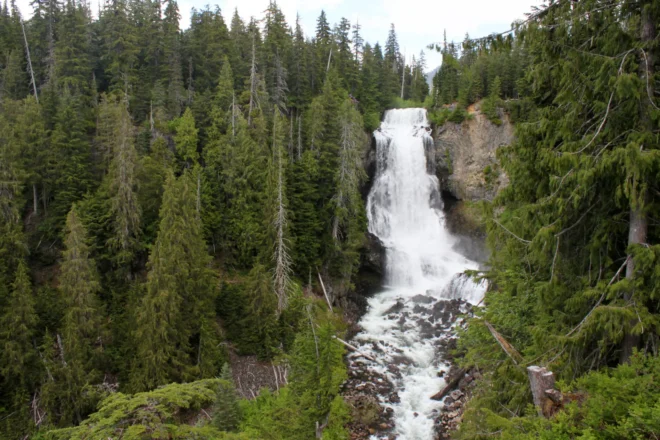
Located in the Callaghan Valley just south of Whistler, Alexander Falls offers a unique experience with multiple cascades visible from the viewing area. Instead of a single drop, the waterfall tumbles in a series of tiers, creating the feeling of several waterfalls in one.
A short, well-maintained trail leads to viewpoints overlooking the falls, making it an easy stop for families or those pairing waterfall viewing with other Callaghan Valley adventures. The surrounding parkland is rich with wildlife and natural beauty, so take your time and keep your eyes open.
Alexander Falls feels especially tranquil, a place to pause and appreciate the rhythm of water moving steadily through the forest.
When Is the Best Time to See the Waterfalls?
Many waterfalls around Whistler can be viewed year-round, but the most dramatic conditions typically arrive in late spring and early summer when snowmelt is at its peak. This is when water volume is highest and the surrounding landscapes feel especially alive.
Rainy days also offer a unique opportunity to experience the waterfalls at their most powerful. After steady rainfall, cascades swell, spray fills the air, and the sound of rushing water becomes part of the experience. It is an ideal way to explore Whistler on a wet-weather day, trading summit views for the raw energy of moving water.
In cooler months, some waterfalls can still be accessed by hiking or snowshoeing, offering a quieter and equally memorable perspective shaped by ice, snow, and winter light.
Add Waterfalls to Your Whistler Itinerary
Waterfall chasing pairs beautifully with hiking, sightseeing, and scenic drives. Whether you are planning a full day of exploration or simply looking for a peaceful stop between adventures, these natural landmarks add depth and perspective to any Whistler visit.
At Whistler Reservations, our local team helps you build a stay that flows naturally. From choosing accommodations close to your favourite routes to sharing insider tips on the best times to visit, we make it easy to experience Whistler at its most inspiring.
If you are planning your next mountain escape, let the waterfalls guide you.