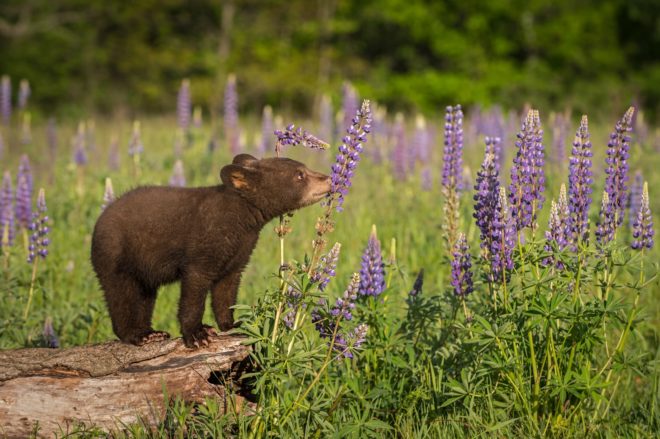
Spotting a black bear from an open 4x4 on a quiet mountainside is a very different experience from seeing wildlife by chance on a hiking trail. That is why Whistler bear viewing tours appeal to so many summer visitors. You get a guided experience built around active bear habitat, local knowledge, and safe viewing practices rather than hoping for a lucky sighting.
For travelers planning a summer trip, bear viewing is one of the easiest ways to add a distinctly Whistler experience to the itinerary. It works well for first-time visitors, families with older kids, couples, and groups that want something memorable without needing advanced technical skill or a full-day commitment.
Why Whistler bear viewing tours are worth booking
Whistler is one of the better places in British Columbia to join a guided bear viewing experience because the tours are designed around terrain where black bears are commonly seen foraging. In the warmer months, bears move through ski runs, service roads, berry patches, and alpine-adjacent areas looking for food. That creates reliable viewing opportunities, but only if you know where to go and how to do it responsibly.
That local knowledge is the real value of a guided tour. You are not just paying for transportation. You are getting a guide who understands bear behavior, seasonal feeding patterns, and the mountain access routes that give guests a realistic chance of seeing bears from a safe distance.
There is also a practical advantage for visitors who are unfamiliar with the area. You do not need to research access restrictions, wonder whether you are in appropriate wildlife habitat, or risk approaching bears in the wrong setting. The experience is organized, controlled, and built for sightseeing rather than guesswork.
What to expect on a bear viewing tour
Most bear viewing experiences in Whistler are vehicle-based rather than hiking-based. That makes them accessible to a wider range of guests and easier to fit into a broader vacation plan. Instead of spending the day on a strenuous trail, you are typically moving through bear habitat with a guide who stops when wildlife is spotted and explains what you are seeing.
The pace is usually relaxed. Guests spend time scanning open slopes and roadside areas where bears are known to feed. If you are traveling with family members who want a wildlife experience but are not interested in a physically demanding activity, this format is often a better fit than a backcountry outing.
You should also set the right expectation. This is wildlife viewing, not a zoo experience. Sightings are often very good in season, but nothing should be treated as guaranteed. Some tours produce multiple sightings. On other days, the value comes from the guide's interpretation of the landscape, animal behavior, and mountain ecology even if the bears are less active.
Best time for Whistler bear viewing tours
Bear viewing is typically a summer-focused activity in Whistler, and timing matters. Early and mid-summer can be productive as bears feed in lower and mid-mountain areas. Later in the season, food sources shift and viewing patterns can change.
Time of day matters too. Bears are often more active during cooler parts of the day, which is one reason many visitors choose morning or evening departures when available. Midday can still work, but active wildlife viewing is always somewhat weather- and season-dependent.
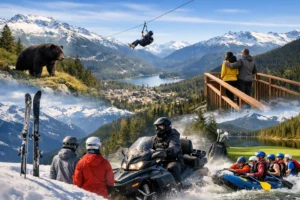
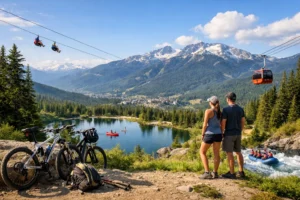
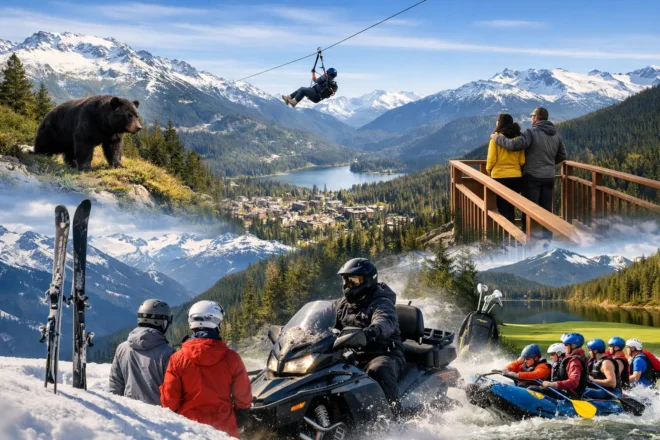
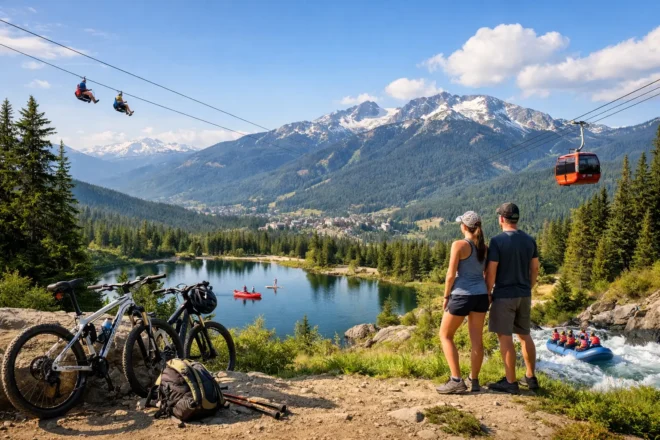
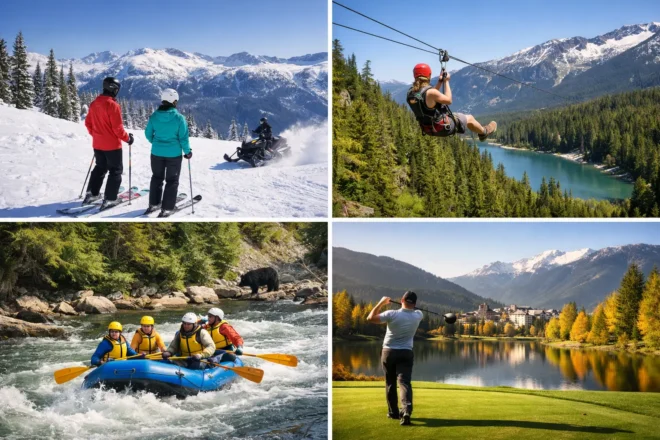
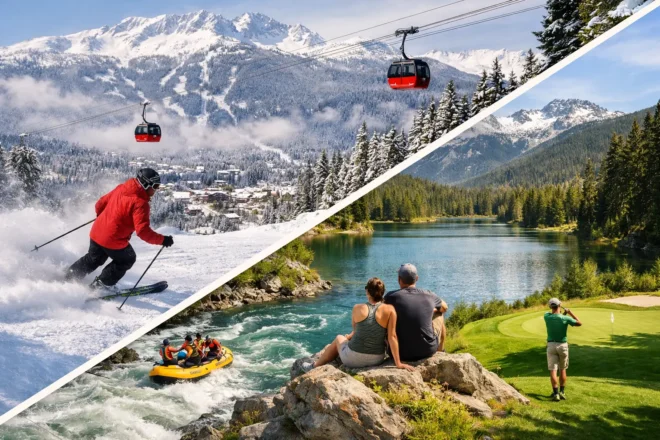
If bear viewing is a priority for your trip, build it into your itinerary before you finalize everything else. Summer in Whistler is busy, especially for travelers combining outdoor activities over a short stay. Guests often want to fit in ziplining, rafting, ATV tours, golf, or the Peak 2 Peak area on the same trip, so activity timing starts to matter quickly.
Who should book a bear viewing tour
This is one of the more versatile summer activities in Whistler, but it is not identical in appeal for every traveler.
For families, it is a strong option because it feels adventurous without being overly strenuous. Parents often like that it offers wildlife education and a defined tour format rather than an unstructured outing.
For couples, it works well as a lower-effort activity between more active days. If you have already planned biking, hiking, or rafting, bear viewing adds variety without requiring another physically demanding commitment.
For groups, it is a useful choice because it tends to suit mixed ability levels. Not everyone in a wedding group, conference group, or extended family wants a high-adrenaline activity. A guided wildlife tour can be a good middle ground.
The main trade-off is that guests looking for a fully independent backcountry-style experience may prefer something else. Bear viewing tours are guided, structured, and safety-focused. That is exactly the point for most travelers, but it helps to know what kind of experience you are booking.
What to wear and bring
You do not need specialized gear for most Whistler bear viewing tours, but you should prepare for mountain conditions. Even in summer, temperatures can shift quickly depending on elevation, cloud cover, and time of day.
A light layer, closed-toe shoes, sunscreen, and sunglasses are sensible basics. A camera or phone with a decent zoom helps, though many guests are surprised by how much better the experience is when they spend less time trying to get the perfect photo and more time watching bear behavior.
If you are planning multiple activities in one day, organize your clothing around transitions. For example, if you are heading to dinner in the Village after a tour or combining bear viewing with another summer activity, it helps to keep an extra layer and water in your day bag rather than returning to your hotel between plans.
Safety and wildlife etiquette matter
The quality of bear viewing in Whistler depends on responsible tourism. Guided tours are designed to observe bears without disturbing them, and that matters both for guest safety and for the long-term health of local wildlife.
A good tour is not about getting as close as possible. It is about watching bears behave naturally while guides manage distance, movement, and group conduct. If you are choosing between activities for your trip, this is one reason bear viewing stands apart from casual roadside wildlife spotting. You are joining an experience built around appropriate viewing practices.
That also means guests should follow instructions carefully. Keep noise low when asked, stay with the group, and avoid treating the experience like a photo chase. The better the group behavior, the better the viewing tends to be.
How to fit bear viewing into a Whistler itinerary
Bear viewing is often easiest to schedule on arrival day, departure day, or as a half-day activity between bigger plans. It pairs well with a summer stay that includes sightseeing, dining, and one or two adventure activities rather than trying to stack too many physically intense bookings back to back.
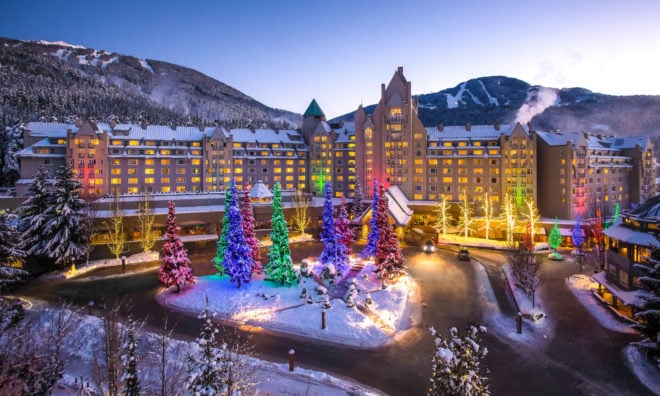
If you are staying in Whistler Village or the Benchlands, activity access is straightforward and you can usually build a day around one guided tour plus time in the Village. If you are traveling as a family, choosing accommodations with extra space can make the day run more smoothly, especially when kids need downtime between activities.
For visitors coming from Vancouver or arriving through the airport, transportation planning matters too. A lot of trip stress comes from trying to piece together lodging, transfers, and activities separately. If you are booking a short summer stay, it is usually easier to coordinate those parts early so your tour timing works with your arrival and departure schedule.
This is also a good activity to book in advance. Summer availability in Whistler can tighten up around weekends and peak travel periods, especially when guests are reserving multiple activities at once. Whistler Reservations can help travelers package accommodations, transfers, and summer activities into one more organized plan, which is particularly useful for families and groups.
FAQ about Whistler bear viewing tours
Are Whistler bear viewing tours good for kids?
They can be a very good fit, especially for families who want a guided wildlife activity without a long hike. The best fit depends on the child's age, attention span, and comfort with vehicle-based tours.
Will we definitely see bears?
No wildlife tour should promise guaranteed sightings. Whistler has strong viewing potential in season, but bear activity depends on conditions, food sources, and timing.
Is bear viewing better than trying to spot bears on your own?
For most visitors, yes. Guided tours offer safer viewing, better access to known habitat, and much more context around what you are seeing.
How far in advance should I book?
If bear viewing is an important part of your summer trip, book ahead. That matters even more if you also need lodging, airport transfers, or other activities arranged around a fixed itinerary.
A good bear viewing tour does more than fill an afternoon. It gives you a better understanding of the landscape you are visiting and a more responsible way to experience one of Whistler's most memorable summer wildlife encounters.