A problem was detected in the following Form. Submitting it could result in errors. Please contact the site administrator.
Packing for Whistler Blackcomb: A Mountain Survival Guide
Packing for Whistler is not the same as packing for the city.
What works at home often falls short once you reach the mountains. Coastal weather, rapid elevation changes, and long days outdoors mean the wrong gear can quickly turn an incredible ski day into an uncomfortable one.
Whistler sits in the Coast Mountains, where snowfall can be heavy, temperatures can shift quickly, and conditions at the top of the mountain may feel completely different from the village below. A sunny stroll through Whistler Village can turn into wind, snow, or damp alpine weather just a few lifts later.
This guide to packing for Whistler focuses on what actually keeps you comfortable, dry, and smiling all day long. Think of it as a practical survival list for enjoying the mountain properly.
Packing for Whistler Starts With Understanding the Weather
Before you start packing, it helps to understand the environment you are heading into. Whistler’s coastal location means conditions are often wetter and milder than interior mountain resorts. At the same time, elevation plays a major role in how the day unfolds.
It is common to experience:
Cold, windy conditions in the alpine
Snow or rain at mid-mountain
Much warmer temperatures in Whistler Village
Because of this, flexibility is everything when packing for Whistler. The goal is not to pack more gear, but to pack smarter.
1. Master the Art of Layering
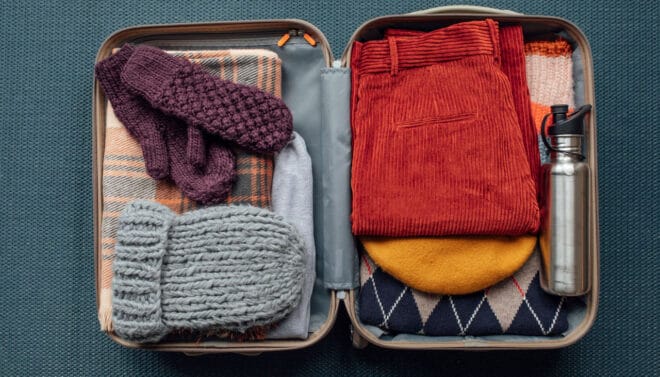
Layering is the single most important strategy when pack for winter in Whistler.
As you move from village to peak and back again, temperatures can change quickly. Add in heated gondolas, restaurants, and shops, and you will constantly be adjusting what you wear.
A proper layering system lets you regulate your body temperature throughout the day. You can remove layers when you warm up and add them back when conditions change. As a result, you stay comfortable on the mountain and relaxed when you step indoors.
2. Invest in Quality Base Layers
Your base layers sit closest to your skin, which makes them critical. Moisture management matters more than bulk, especially in Whistler’s coastal climate.
Merino wool base layers are a popular choice for packing for Whistler because they are:
Warm without being heavy
Breathable and quick-drying
Comfortable across a wide temperature range
Merino wool socks are especially worth the investment. They provide warmth without excess bulk, which helps keep your feet comfortable inside ski boots all day.
For more information on performance fabrics, materials like GORE‑TEX are widely used in mountain environments because they balance waterproofing with breathability.
3. Bring a Lightweight Backpack
A small, waterproof backpack makes a big difference when pack for a mountain getaway. You will be adding and removing layers throughout the day, and having a place to store them keeps things simple.
A backpack is also useful for carrying:
Extra gloves or socks
Snacks and water
Lip balm and sunscreen
Your phone or camera
Tying jackets around your waist or stuffing pockets quickly becomes uncomfortable. A pack keeps you organized and hands-free on the mountain.
4. Do Not Skimp on Outerwear
If there is one area where quality truly matters, it is your outer shell.
Whistler conditions can shift from wet snow to wind to sunshine in a single day. A waterproof and windproof jacket and pants are essential when packing for Whistler Blackcomb. Look for sealed seams and ventilation features, such as underarm zippers, to help regulate heat.
High-quality outerwear paired with proper base layers and a mid-layer will keep you comfortable in nearly any condition the mountain delivers.
5. Consider Renting Skis or Snowboards
Unless you are very familiar with Whistler Blackcomb’s terrain, renting equipment locally is often the smarter option.
Local rental shops understand Whistler’s snow conditions and terrain and can set you up with gear suited to the day. One major advantage is flexibility. If conditions change overnight, you can easily switch equipment to match the snow.
Some rental services even deliver gear directly to your accommodation and collect it at the end of your stay, removing the hassle of transport and storage.
Comfort Equals Longer Days on the Mountain
When you pack properly, you stay warmer, drier, and happier. That leads to longer days on the mountain, more runs, and better memories.
Whistler rewards visitors who prepare for changing conditions. With the right layers, quality outerwear, and local gear knowledge, you can focus on enjoying the experience instead of fighting the elements.
Plan Your Whistler Stay With Local Experts
Knowing what to pack is easier when you have locals on your side. Whistler Reservations helps visitors plan trips that make sense for the season, the weather, and their travel style.
From choosing the right accommodation location to recommending gear rentals and winter logistics, our local team ensures your Whistler experience starts comfortably and stays that way.