A problem was detected in the following Form. Submitting it could result in errors. Please contact the site administrator.
A Local’s Guide to the Hardest Runs in Whistler Blackcomb
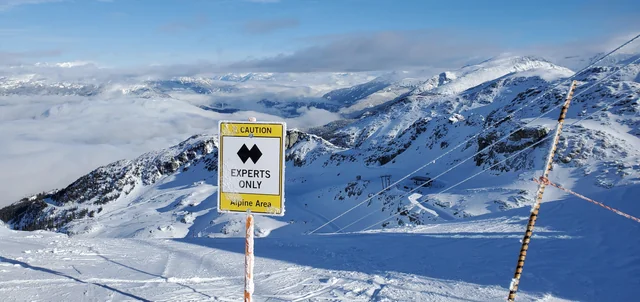
Double Black Diamonds. For some skiers, that sign sparks a moment of hesitation. For others, it signals pure excitement and the promise of steep drops, tight chutes, and the kind of challenge that gets your heart racing. If that sounds like you, Whistler Blackcomb is your dream playground.
With more than 8,100 acres of terrain, around 2,200 acres are dedicated to advanced and expert skiing. From cliff drops to narrow chutes, these runs are not for the faint of heart. However, if you crave adrenaline and technical terrain, this is where you will find it.
So, if you are ready to explore the wild side of the mountain, here is a closer look at the most extreme ski runs Whistler has to offer.
EXTREME SKIING ON WHISTLER MOUNTAIN
Cockalorum
Hidden in West Bowl and accessed from the Peak Chair, Cockalorum begins deceptively mellow. Yet the real challenge starts before you drop in. The entrance requires a sharp, confident turn with a cliff just beyond. Each winter, snowfall reshapes the approach, which keeps even seasoned skiers on their toes. Once you commit, wide-open powder turns reward your courage and make the tricky entrance worth it.
Flute Bowl
For those seeking adventure, the journey to Flute Bowl is half the fun. Skiers and riders hike or ski-tour from the top of Symphony Chair, a climb that usually takes between 20 and 40 minutes. While it is not the steepest run, the real thrill comes from the sense of leaving the resort behind. The terrain opens into broad alpine bowls with lines that range from mellow to steep. As a result, you get that backcountry feeling without ever crossing the resort boundary.
The Coffin
The Coffin is less a ski run and more a daring test of skill. You can spot this ultra-narrow chute from the Peak Chair, and it never fails to tempt expert skiers. The corridor is tight, unforgiving, and demands absolute confidence. Blink and you will miss it, but make it through cleanly and you will earn serious bragging rights for the season.
Air Jordan
Air Jordan is one of Whistler’s most iconic and intimidating double black diamonds. You can see it from the Peak Chair, where it tempts expert skiers with its notorious two-tier cliff drop. The first air lands on a small shelf known as “the pad,” before launching into a second, even bigger drop. Once you commit, there is no turning back. Conditions must be just right, and only strong, confident riders should attempt it. Whether you’re dropping in or watching from the chair, Air Jordan captures the bold spirit of Whistler’s most extreme terrain.
EXTREME SKIING ON BLACKCOMB MOUNTAIN
Spanky's Ladder
A short boot pack from the Glacier Chair leads to one of Blackcomb’s most famous zones: Spanky’s Ladder. From the top, you can drop into three legendary bowls known as Ruby, Diamond, and Sapphire. Ruby offers the most approachable entry, while Diamond and Sapphire deliver steeper, more technical lines with rock features and tight turns. Along the way, you will find deep powder stashes, big-mountain terrain, and plenty of chances to catch air. Every turn reminds you why Spanky’s is a must-ski for advanced riders.
Couloir Extreme
Few runs are as iconic or as intimidating as Couloir Extreme. This chute is a true rite of passage for expert skiers. It once hosted the Saudan Couloir Ski Race Extreme and continues to challenge anyone brave enough to drop in. It even earned a spot on Condé Nast Traveller’s list of the “Most Terrifying Ski Slopes in the World.” The entrance is narrow and steep, leading into a long descent that stays challenging from top to bottom. Each turn demands focus and precision, but the reward is a rush you will not forget.
Pakalolo
Pakalolo sits just below the Glacier Express and delivers one of Blackcomb’s purest big-mountain experiences. The line drops through steep, rolling terrain filled with cliffs, wind lips, and natural hits that challenge even the most advanced skiers. Each turn requires focus and quick reactions, while the changing contours keep every descent exciting. On a powder day, Pakalolo is fast, technical, and deeply rewarding. It’s a local favorite for those chasing the thrill that the resort is famous for.
Ready to Push Your Limits?
Whistler Blackcomb’s expert terrain is legendary for a reason. From the cliff drops of Air Jordan and the steep walls of Couloir Extreme to the deep powder bowls off Spanky’s Ladder, these mountains redefine what it means to ski hard. Add in local favorites like Pakalolo and Cockalorum, and you have a collection of runs that will challenge, thrill, and reward you every single time.
If your adrenaline cravings go beyond the slopes, Whistler has you covered. From ziplining and Skeleton Rides and snowmobiling, there’s no shortage of heart-pounding adventures waiting to be discovered. Check out our guide to the Best Whistler Activities Other Than Skiing to keep the excitement going off the mountain.
Frequently Asked Questions About Expert Skiing in Whistler
What is the hardest run in Whistler Blackcomb? Couloir Extreme and Saudan Couloir are widely considered the most technically challenging lift-accessed descents.
Do you need to hike to reach expert terrain? Some of the best zones, like Spanky’s Ladder, require a short hike, but many advanced runs are lift-accessible.
Is Whistler good for advanced skiers? Yes — Whistler Blackcomb is consistently ranked among the top destinations in North America for expert terrain due to its scale, snow quality, and alpine access.
When should advanced skiers visit? January through March typically offers the most reliable combination of coverage, snow quality, and alpine access.
Plan Your Whistler Ski Trip with Local Experts
Whistler’s scale can be overwhelming — knowing where to stay, when to ski certain zones, and how to maximize mountain time makes all the difference.
At Whistler Reservations, our team helps match accommodations, equipment, and activities to your ski goals so you spend less time planning and more time on the mountain.