A problem was detected in the following Form. Submitting it could result in errors. Please contact the site administrator.
6 Surprising Facts You Might Not Know About Whistler
Let’s be honest, Whistler is not exactly a secret. Most people know the legendary winters, world-class skiing, and dramatic mountain scenery, but there are still plenty of facts about Whistler that surprise even frequent visitors.
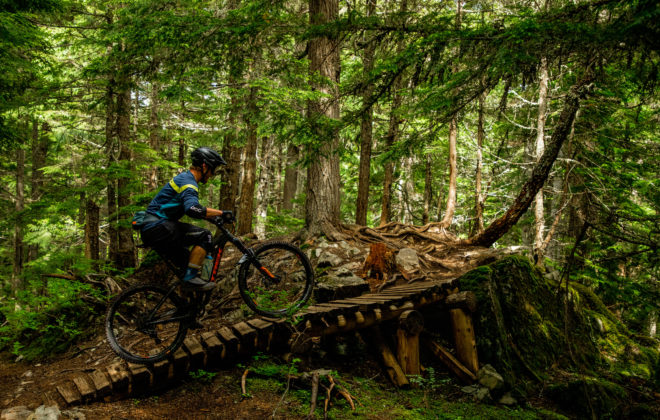
More visitors are discovering that summer in Whistler is just as impressive, with hiking, biking, lakes, and patios filling long, sun-soaked days. Add in a lively food scene, vibrant arts and culture, and a village that hums year-round, and it is easy to see why Whistler gets so much attention.
Still, even frequent visitors are often surprised by just how unique this mountain town really is. From record-breaking infrastructure to unexpected historical facts, Whistler has plenty of stories that do not always make the headlines.
Here are a few lesser-known facts about Whistler you can keep in your back pocket for gondola rides, après conversations, or your next trivia night.
1. The Peak 2 Peak Gondola Holds World Records
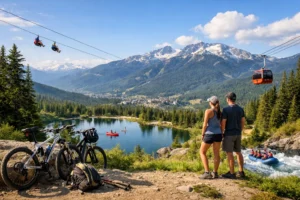
You have not fully experienced Whistler until you have floated high above the valley on the Peak 2 Peak Gondola. Connecting Whistler Mountain and Blackcomb Mountain, this engineering marvel stretches more than two kilometres across the valley.
At its highest point, the gondola rises 436 metres above the valley floor, offering views that feel almost unreal. It is not just impressive to look at either. The Peak 2 Peak appears in the Guinness World Records for both the highest cable car above ground and the longest unsupported span between two cable car towers.
The moment the cabin leaves the station, conversations stop and cameras come out. Even locals still stop to take photos.
2. Whistler Is Small, But It Welcomes Big Numbers
Whistler may feel lively, but its permanent population is surprisingly small. Fewer than 10,000 people call Whistler home year-round. That intimacy is part of what makes the village feel welcoming, even when it is buzzing with visitors.
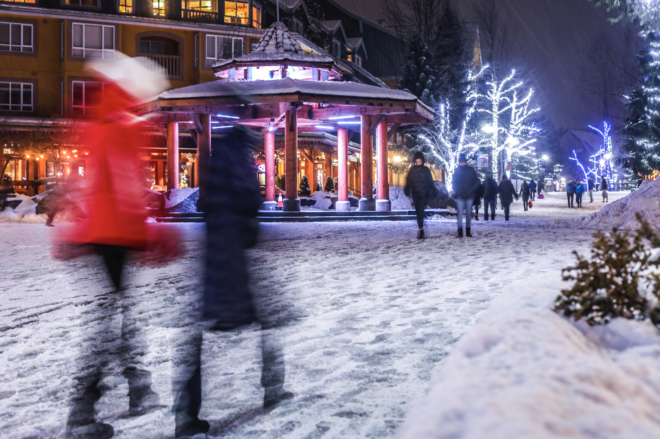
At peak times, Whistler can comfortably host tens of thousands of overnight guests. On busy winter weekends or summer holidays, the village can feel like a bustling small city, even though it retains the heart of a mountain town.
This balance is part of Whistler’s charm. It feels energetic when you want excitement and surprisingly peaceful when you step just a little outside the village core.
3. Whistler Blackcomb Redefines What a Ski Resort Can Be
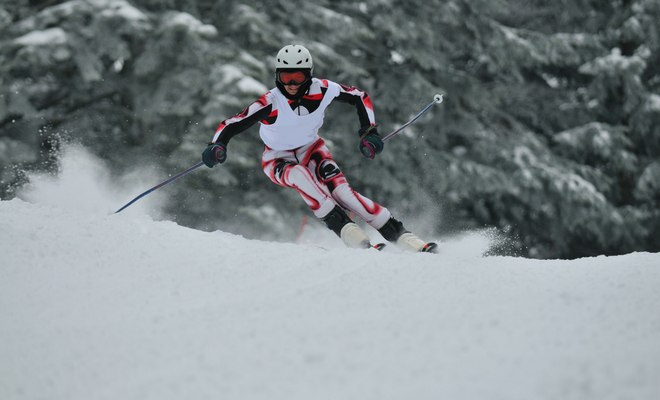
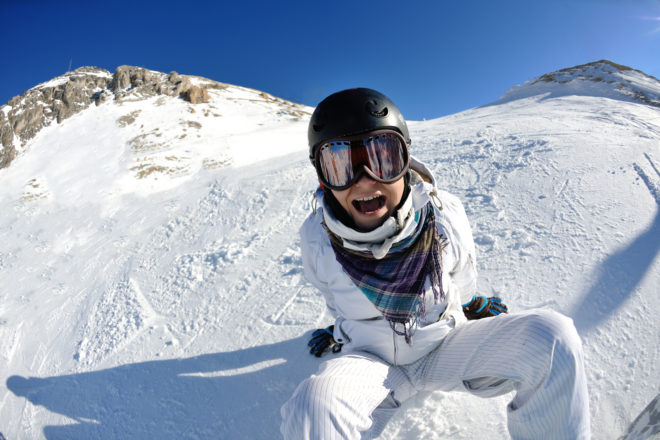
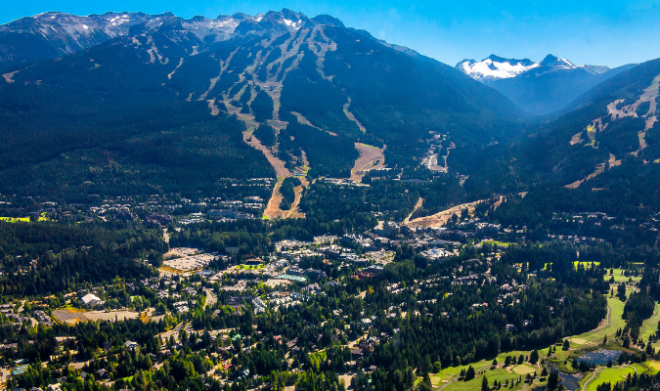
Skiing and riding in Whistler is not just about vertical or variety, it is about freedom. Whistler Blackcomb stretches across two vast mountains, creating the largest skiable terrain in North America and a sense of space that is hard to match.
That scale changes the experience on snow and is one of the most impressive facts about Whistler for skiers and riders. You can follow groomers for hours, dip into powder-filled bowls, or explore wide-open alpine zones, all without feeling confined to a single area. Even on busy days, the mountain rarely feels crowded because there is always another run, another zone, or another view waiting.
It is the kind of place where every skier and rider can carve out their own version of a perfect day, whether that means chasing fresh snow or simply enjoying the feeling of endless terrain beneath your skis.
4. November Often Brings Winter to Life Earlier Than Expected
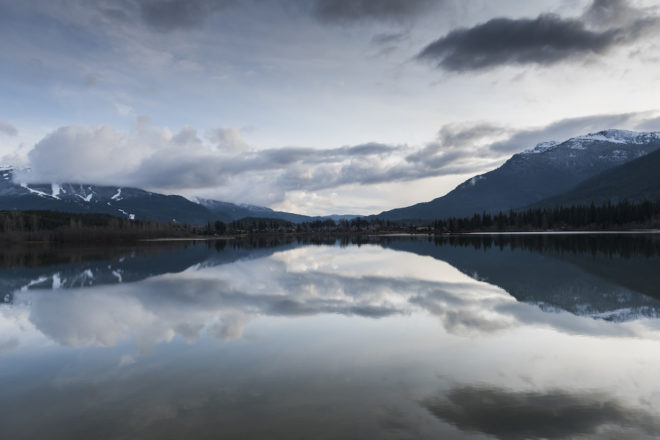
November in Whistler is full of anticipation. While it may not always be the deepest month of winter, it is often when the mountains begin their transformation from fall to full winter mode.
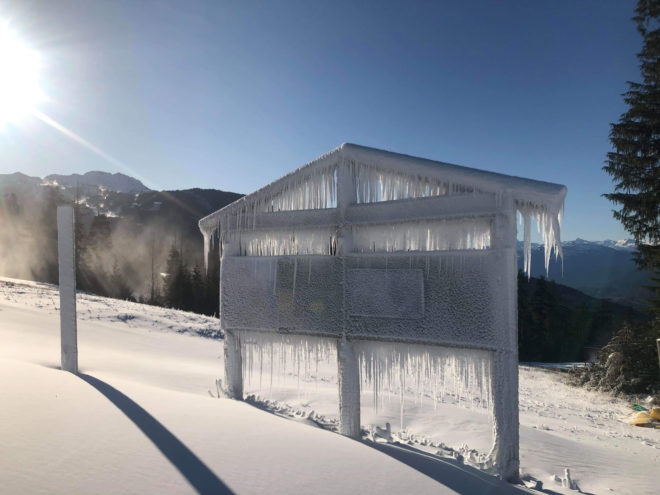
Early-season storms frequently dust the peaks, coat the alpine, and signal the start of ski season. For visitors and locals alike, there is something special about watching winter arrive in real time. Snow lines creep lower, the village shifts into winter rhythm, and the mountains begin to feel alive again.
Conditions naturally vary from year to year, but November is known for delivering memorable early-season moments. Fresh snow, quieter slopes, and that first true taste of winter energy make it a month that surprises people in the best way, especially those seeing Whistler transition into winter for the first time.
Photo Credit: Tourism Whistler/Mike Crane
5. Whistler Worked Hard to Host the Olympics
Most people know that Whistler co-hosted the 2010 Winter Olympics with Vancouver. What many do not realize is how long that dream took to become reality.
Whistler submitted Olympic bids decades earlier, including attempts for the 1968 and 1976 Winter Games. It was not until 2010 that the village finally welcomed the world. The legacy of those Games still shapes Whistler today, from improved infrastructure to a lasting international reputation.
Hosting the Games was not just a moment in time, it helped shape the Whistler visitors experience that exists today.
6. Environmental Stewardship Is Part of Whistler’s Identity
Nature is not just scenery in Whistler, it is the foundation of the community. Environmental responsibility is woven into how the resort and village operate, from long-term sustainability initiatives to daily practices.
Whistler Blackcomb has received numerous awards for its environmental programs, and the broader community continues to prioritize conservation, education, and responsible tourism. Visitors are encouraged to respect and protect the landscape, because caring for the environment is simply part of life here and part of the Whistler experience.
Photo Credit: Tourism Whistler / Mike Crane
Experience Whistler Beyond the Obvious
Whistler’s famous highlights are worth every bit of attention they receive. At the same time, it is the unexpected details and stories that give the destination its depth and character.
Whether it is riding a record-breaking gondola, exploring a massive mountain playground, or learning about the village’s Olympic journey, these lesser-known facts about Whistler add another layer to the Whistler experience.
Plan Your Whistler Stay With Local Experts
Getting to know Whistler is easier when you stay in the right place. Whistler Reservations helps match visitors with accommodations that fit their travel style, season, and priorities, whether that means slope-side convenience, village energy, or a quieter retreat.
Our local team knows Whistler inside and out and can help you make the most of your stay, beyond the obvious highlights.
Planning a Whistler getaway? Connect with our local experts to help you experience Whistler like someone who truly knows it.