A Whistler summer trip is easy to overfill. A morning bike ride, afternoon golf tee time, rafting excursion, and evening dining reservation can all look possible on paper, but travel time, weather, energy levels, and activity meeting points matter. This Whistler summer planning guide helps you build a trip that works in real life, whether you are traveling as a couple, with children, or coordinating a larger group.
The most successful summer vacations here start with three decisions: when to visit, where to stay, and which experiences need to be reserved before arrival. Once those are in place, the rest of the itinerary is much easier to organize.
Start with your summer travel priorities
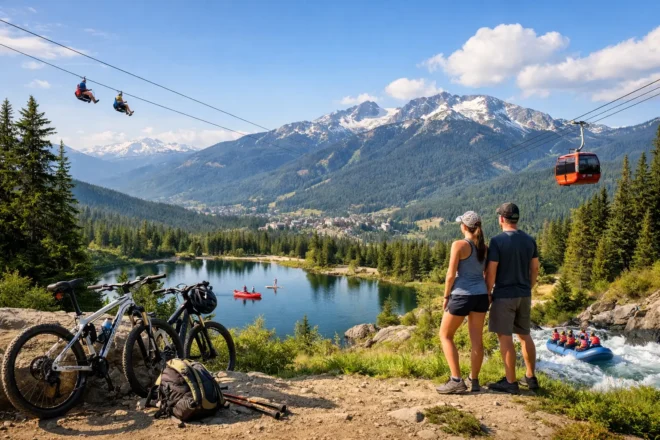
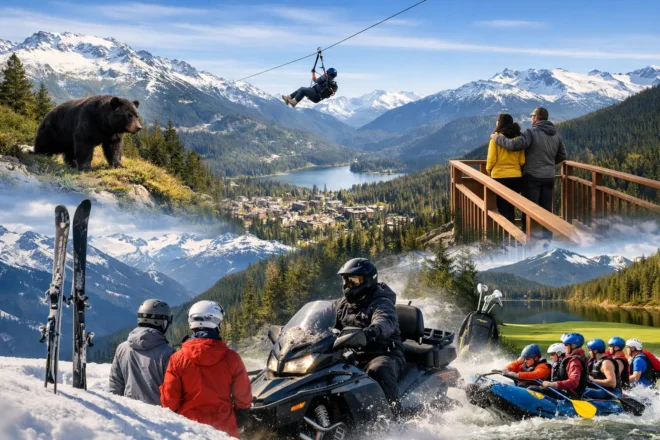
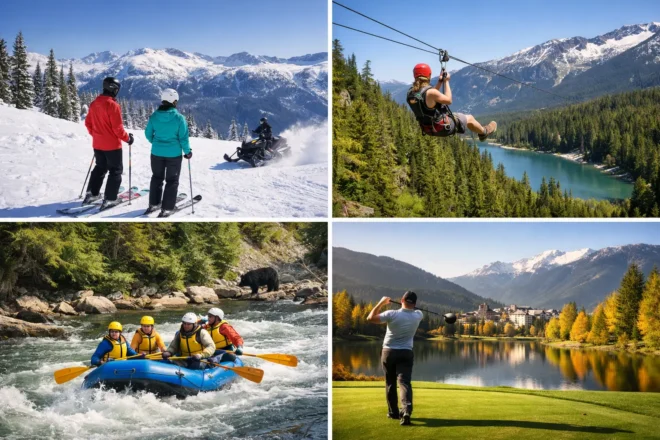
Whistler's summer season offers very different trip styles. Mountain biking, hiking, golf, ziplining, ATV tours, bear viewing, whitewater rafting, and sightseeing each have their own pace and planning requirements. Before choosing activities, decide what kind of days you want to have.
For an active couple or group, a mix of one major booked activity each day and flexible time in the Village is usually a sensible balance. Families often do better with shorter morning activities, a pool or playground break, and an early dinner. Golf groups need to account for tee times, transportation, and enough downtime between rounds. Travelers arriving from overseas may also want a lighter first day while adjusting to the time difference.
It is tempting to schedule every open hour, particularly on a short visit. In practice, two well-chosen activities in one day can be enough if they are close together and do not require extensive preparation. A rafting day, for example, is often best treated as the main event rather than something to squeeze between other commitments.
Choose the right area to stay
Where you stay determines how much time you spend walking, driving, parking, and coordinating everyone in your party. Whistler accommodations range from hotel rooms to condo and townhome rentals, so the right choice depends on your group size and daily plans.
Whistler Village for walkable access
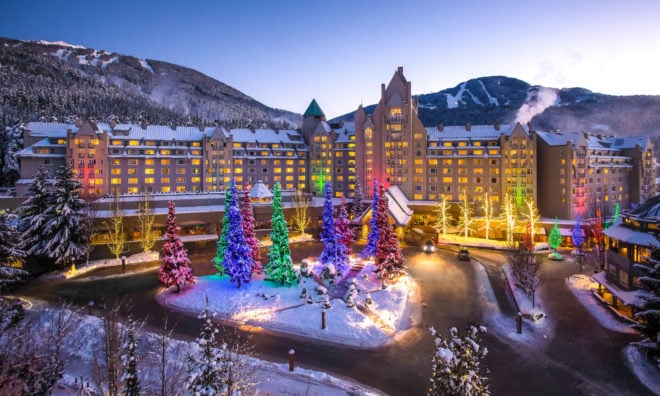
Whistler Village is a practical choice for first-time visitors, couples, and families who want restaurants, shops, activity meeting points, and the pedestrian Village nearby. It is also convenient for guests who prefer not to have a vehicle during their stay. If your plans include sightseeing, dining, and guided activities, staying within walking distance can keep the schedule simple.
Upper Village and Blackcomb Benchlands for a quieter base
Upper Village and Blackcomb Benchlands can suit travelers looking for a more residential setting while remaining close to Village services. These areas are worth considering for families and groups who value extra space, condo-style layouts, or a quieter return after a full day out.
Creekside for a more relaxed rhythm
Creekside is a good option for guests who do not need to be in the center of Village activity every evening. It can work especially well for travelers with a vehicle, repeat visitors, and those planning to explore beyond Whistler Village. Check the specific property's access to transit, parking, and nearby services before booking.
For longer stays, a condo or townhome with a kitchen, living area, and laundry can make a meaningful difference. It gives families easier breakfasts and snacks, gives groups a shared place to gather, and reduces the pressure to eat every meal out. A hotel can be the better fit for short stays or couples who want a straightforward, low-maintenance base.
Book the activities that shape your itinerary first
Some experiences are easier to fit around your schedule than others. Guided tours, golf, mountain biking instruction or rentals, rafting, ziplining, ATV tours, bear viewing, floatplane tours, and whale watching may have limited departure times or require transportation planning. If an activity is central to your trip, reserve it before finalizing the rest of your day.
Build around geography as well as timing. A Sea to Sky Gondola visit is in Squamish, while many Whistler activities start in or near the Village. Combining activities in different locations can be worthwhile, but do not assume they are next door. Leave room for driving, parking, check-in requirements, and the possibility that your group moves more slowly than expected.
A practical approach is to schedule one anchor activity per day. Then add a flexible option nearby, such as Village browsing, lakeside time, an easy walk, or a casual meal. This protects the trip if weather changes, a child needs a break, or a guided experience runs longer than anticipated.
Match activities to your group
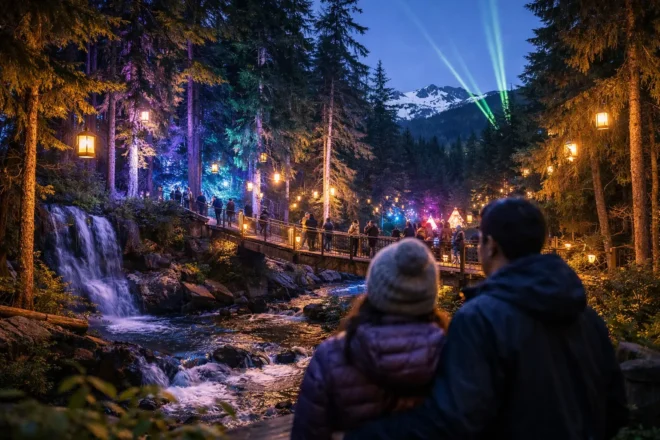
The right activity mix depends on confidence, ages, and expectations. A family may enjoy ziplining, sightseeing, and an evening visit to Vallea Lumina, but younger children may not have the stamina for consecutive high-energy days. A group of experienced riders may prioritize bike park access and rentals, while a mixed-ability group may prefer a guided ride or a combination of biking and non-bike activities.
For couples, bear viewing, golf, rafting, floatplane sightseeing, and a planned dinner can create full but manageable days. Corporate and wedding groups should consider whether guests have different comfort levels. Offering a choice between an adventure activity and a lighter sightseeing option can make participation easier.
Plan transportation before you arrive
Many Whistler visitors arrive through Vancouver International Airport, and the transfer to Whistler is one of the first logistics to settle. Airport transfers can remove the need to navigate an unfamiliar route after a flight, especially for international travelers, families, and groups carrying sports equipment.
A rental vehicle may make sense if you plan to spend significant time in Squamish, visit multiple golf courses, or explore beyond the Village. However, a vehicle also means considering parking at your accommodation and deciding who will drive after evening plans. Guests staying in Whistler Village may find that airport transfers, local transit, walking, and occasional taxis are simpler than keeping a vehicle parked for most of the trip.
If you are bringing bikes or other equipment, confirm your transportation and storage arrangements before committing. This is particularly important for larger groups, where one overlooked equipment detail can complicate arrival day.
Build in weather and recovery time
Summer conditions in the mountains can change through the day. Pack layers, rain protection, sun protection, and footwear that matches your planned activities. Even on a warm day, higher elevations and evening temperatures can feel cooler than visitors expect.
Weather flexibility should also shape your itinerary. Put the activity you care about most on an earlier day of the trip when possible. That gives you more options if conditions require a change. Do not rely on a single open afternoon at the end of your vacation for a high-priority experience.
Recovery time matters as well. After rafting, a long hike, or a full mountain biking day, plan a lower-key evening. The Village is easier to enjoy when you are not rushing from one reservation to the next.
A practical 3-day Whistler summer outline
For a first visit, three nights gives enough time to experience Whistler without treating it like a checklist. Arrive, settle into your accommodation, and keep the first evening easy. Use the second day for your highest-priority activity, such as rafting, ziplining, golf, or biking. On the third day, choose a different pace: sightseeing, bear viewing, an ATV tour, or time around the Village and lakes.
With four or five nights, add a Sea to Sky day, a second outdoor activity, or a flexible weather buffer. Families may use that additional time for pool breaks and relaxed mornings. Groups can use it to accommodate different interests without splitting every day apart.
Frequently asked questions
How far ahead should I book Whistler summer activities?
Book as early as you can once your dates are firm, particularly for guided experiences, popular departure times, golf, and activities needed for a group itinerary. Availability can vary by date, group size, and provider, so leaving key plans until arrival may limit your choices.
Is Whistler a good summer destination without a car?
Yes, particularly if you stay in Whistler Village or another location with convenient access to Village services and local transportation. Airport transfers and walkable activity meeting points can simplify the trip. A car becomes more useful if your itinerary includes several trips outside Whistler.
What should families book in advance?
Start with accommodation that gives your family enough room, then reserve any guided activity that is a priority. Consider age requirements, activity duration, transportation, and whether children will need a rest period between plans.
A well-planned Whistler summer vacation does not need every hour reserved. Choose lodging that supports your travel style, secure the experiences you would be disappointed to miss, and leave enough room for the day to unfold. Whistler Reservations can help coordinate accommodation, activities, and transfers into one practical plan before you arrive.